(Reuters) - As many as 1,000 people were feared killed on Sunday when a
powerful earthquake hit southeast Turkey, flattening buildings and
leaving survivors crying for help from under the rubble.
As night fell, survivors and
emergency workers battled to pull people out of the debris in the city
of Van and town of Ercis, where a student dormitory collapsed.
Residents
in Van joined in a frantic search, using hands and shovels and working
under floodlights and flashlights, hearing voices of people buried alive
calling from under mounds of shattered concrete in pitch darkness and
bitter cold.
An official at the Van
provincial crisis center told Reuters more than 100 people had been
confirmed killed so far and hundreds more were missing under destroyed
buildings.
More accounts of dead
bodies and destruction were emerging from smaller settlements across the
remote area near the Iranian border, most of them left without
electricity or phone access.
BODIES
"The
death toll is rising. Rescue teams are taking out dead bodies all the
time," Reuters photographer Osman Orsal said in Ercis, a town of 100,000
some 100 km (60 miles) north of Van where a student dormitory
collapsed.
In Van, an ancient city
on a lake ringed by snow-capped mountains and with a population of 1
million, cranes were used to shift the rubble of a crumpled six-storey
apartment block where bystanders reckoned there were around 70 people
trapped.
"We heard cries and
groaning from underneath the debris, we are waiting for the rescue teams
to arrive," Halil Celik told Reuters as he stood beside the ruins of a
building that had collapsed before his eyes.
"All
of a sudden, a quake tore down the building in front of me. All the
bystanders, we all ran to the building and rescued two injured people
from the ruins."
At another site,
three teenagers were believed trapped under a collapsed building. People
clambered over the masonry, shouting: "Is there anyone there?"
An
elderly rescue worker sat sobbing, his exhausted face covered in dust.
Police tried to keep onlookers back. Ambulance crews sat waiting to help
anyone dragged out of the debris.
There
were reports of more bodies being pulled from rubble in hamlets outside
Van. One village chief told NTV broadcaster: "Nobody has reached us, we
have received no medical aid, the tents they sent are plain canvas. We
are freezing."
No information was
available on the fate of a 10th century Armenian church on Akdamar
Island -- one of the last relics of Armenian culture in Turkey, which
was recently reopened by the government as a peace gesture toward
Armenia.
Kandilli Observatory
general manager Mustafa Erdik told a news conference he estimated
hundreds of lives had been lost. "It could be 500 or 1,000," he added.
He said he based his estimate on the 7.2 magnitude of the earthquake,
the strongest since 1999, and the quality of construction.
A
nurse at a public hospital in Ercis said hospital workers were
attending the wounded in the hospital garden because the building was
badly damaged.
"We can't count dead
or injured because we're not inside the hospital. There should be more
than 100 dead bodies left next to the hospital. We left them there
because it's dark and we didnt want to step on bodies," Eda Ekizoglu
told CNN Turk television.
Prime
Minister Tayyip Erdogan went by helicopter from Van to Ercis to see
firsthand the scale of devastation. The cabinet was expected to discuss
the quake on Monday morning.
"A lot
of buildings collapsed, many people were killed, but we don't know the
number. We are waiting for emergency help, it's very urgent," Zulfukar
Arapoglu, mayor of Ercis, told news broadcaster NTV.
"We
need tents urgently and rescue teams. We don't have any ambulances, and
we only have one hospital. We have many killed and injured."
Turkey's
Red Crescent said one of its teams was helping to rescue people from a
student residence in Ercis. It had sent 1,200 tents, more than 4,000
blankets, stoves and food supplies, along with two mobile bakeries.
More
than 70 aftershocks rocked the area, further unsettling residents who
ran into the streets when the initial quake struck. Television pictures
showed rooms shaking and furniture toppling as people ran from one
building.
DAZED
Students
gathered around a camp fire in Van's center and told journalists bread
prices on the black market had more than quadrupled. Dazed survivors
wandered past vehicles crushed by falling masonry.
Anatolian
news agency reported that 200 prisoners escaped from Van's prison after
the quake, but 50 returned after seeing their familes.
Turkish
media said phone lines and electricity had been cut. The quake's
epicentre was at the village of Tabanli, 20 km north of Van city,
Kandilli said.
International offers of aid poured in from NATO, China,
Japan, the United States, Azerbaijan, European countries and Israel,
whose ties with Ankara have soured since Israeli commandoes killed nine
Turks during a raid on an aid flotilla bound for the Israeli-blockaded
Gaza Strip in 2010.
Serzh
Sarksyan, the president of Turkey's longtime regional rival Armenia,
phoned Turkey's President Abdullah Gul to offer his condolences.
Major
geological fault lines cross Turkey and there are small earthquakes
almost daily. Two large quakes in 1999 killed more than 20,000 people in
northwest Turkey.
An earthquake
struck Van province in November 1976, with 5,291 confirmed dead. Two
people were killed and 79 injured in May when an earthquake shook Simav
in northwest Turkey.
(Additional reporting by Seda Sezer, Ece Toksabay and Seyhmus Cakan, writing by Ibon Villelabeitia and Daren Butler; editing by Andrew Roche)


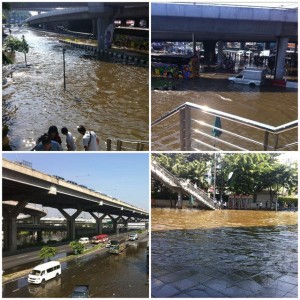 ဘန္ေကာက္ၿမို့ေတာ္အထက္က
နခြန္စ၀မ္၊ ခ်ုိင္နာ့၊ အယုဒၵယ၊ နေခါင္ပထံု စတဲ့ခရိုင္ေတြမွာ ၂
လခန့္ၾကာေအာင္ လႊမ္းမိုးေနတဲ့ ေရေတြကုိ ပင္လယ္ထဲ အျမန္ဆံုး
စီးဆင္းဖို့အတြက္ ၾကားမွာခံေနတဲ့ ဘန္ေကာက္ၿမို့ေတာ္ကို ေရျဖတ္သန္းနိုင္ဖို့
လမ္းဖြင့္ေပးေတာ့မယ္လို့ မေန့ ညေနပိုင္းမွာ ထိုင္းအစိုးရက သတင္းထုတ္ျပန္
လိုက္ပါတယ္။
ဘန္ေကာက္ၿမို့ေတာ္အထက္က
နခြန္စ၀မ္၊ ခ်ုိင္နာ့၊ အယုဒၵယ၊ နေခါင္ပထံု စတဲ့ခရိုင္ေတြမွာ ၂
လခန့္ၾကာေအာင္ လႊမ္းမိုးေနတဲ့ ေရေတြကုိ ပင္လယ္ထဲ အျမန္ဆံုး
စီးဆင္းဖို့အတြက္ ၾကားမွာခံေနတဲ့ ဘန္ေကာက္ၿမို့ေတာ္ကို ေရျဖတ္သန္းနိုင္ဖို့
လမ္းဖြင့္ေပးေတာ့မယ္လို့ မေန့ ညေနပိုင္းမွာ ထိုင္းအစိုးရက သတင္းထုတ္ျပန္
လိုက္ပါတယ္။